Cognitive Accent Training
(512) 265-9515
Updated October 5, 2026 ◆ 5 min read
Cognitive Accent Training is a unique accent training strategy developed by Prof. Alex, Ph.D. Accent Coach, Doctor of Education, and professional linguist, to help students improve their American accent faster and with higher quality. It helps non-native English-speaking professionals understand how their speech system works and how their native-language speech habits influence American English pronunciation, rhythm, stress, intonation, connected speech, fluency, and communication confidence.
This method is led by Prof. Alex as part of the structured MyAccentWay American Accent Training system. The goal is not only to correct individual sounds, but to help students understand, organize, choose, and control clearer American English speech patterns in real communication.
What cognitive accent training means
Cognitive Accent Training helps students understand what they are changing, why they are changing it, and how to keep the new American English speech patterns stable. This gives students more control over pronunciation and helps reduce the habit of returning automatically to old accent patterns.
In Cognitive Accent Training, the student becomes aware of the mental and speech-pattern process behind pronunciation. This includes how the speaker listens, processes sound differences, forms speech movements, chooses words, controls rhythm, organizes stress, manages intonation, and communicates clearly with confidence.
Through Cognitive Accent Training, students learn to understand, organize, choose, and produce clearer American English speech in real communication. It is not only about pronunciation. It includes how a speaker thinks, listens, processes meaning, selects words, controls speech patterns, manages rhythm and intonation, responds to another person, and communicates clearly with confidence.
Cognitive Accent Training is part of Prof. Alex’s research-based Interactive 1-on-1 American Accent Training, the method his doctoral research found more effective than traditional, teacher-centered methods. Students’ before-and-after results were achieved through this training: Abishek improved from 62 to 84 and Tian from 58 to 85 (100 = native speaker). In independent Google and Thumbtack reviews, students describe clearer pronunciation and more confidence speaking English at work. See the before-and-after results.
The research behind Cognitive Accent Training
Cognitive Accent Training is rooted in two established lines of research: the Noticing Hypothesis in second-language acquisition and the negative practice technique in speech therapy. Prof. Alex brought these two ideas together and developed them into one accent training method for American English.
Noticing: students change what they consciously notice
In 1990, applied linguist Richard Schmidt proposed the Noticing Hypothesis: learners cannot advance on a language feature until they consciously notice it. In accent training, this means a student cannot change a pronunciation pattern they do not hear. Many non-native English speakers do not hear the difference between their own sound and the American sound, so repetition alone does not change their speech.
Negative practice: conscious control of the old habit
In speech therapy, negative practice was introduced by psychologist Knight Dunlap in 1932. The person produces the problem speech pattern on purpose, so the habit becomes conscious and controllable instead of automatic. Voice therapy approaches such as Conversation Training Therapy still use negative practice to build awareness of speech production.
How Prof. Alex developed these ideas into Cognitive Accent Training
In Cognitive Accent Training, Prof. Alex reproduces the student’s own pronunciation pattern next to the American English pattern. The student hears both forms side by side, notices the exact difference, and analyzes what changes in articulation, rhythm, stress, or intonation. Then the student produces the American pattern and learns to switch between the two patterns consciously.
This builds what traditional repeat-after-me training does not: awareness of the old habit and independent control over the new American speech pattern. This is how Cognitive Accent Training helps students develop a strong ability to articulate American sounds, change their speech, and keep the new patterns stable in real communication.
Research sources: Noticing Hypothesis (Schmidt, 1990) · Negative practice in speech therapy (Dunlap, 1932), ERIC report
Regular accent training vs Cognitive Accent Training with Prof. Alex
| Regular accent training | Cognitive Accent Training with Prof. Alex | |
|---|---|---|
| Student role | Listens to a model and repeats it | Notices, analyzes, compares, and controls their own speech pattern |
| Pronunciation mistakes | The teacher says the correct form | Prof. Alex reproduces the student’s pattern next to the American pattern, so the student hears the exact gap |
| Understanding | Rules are explained and memorized | The student understands what changes, why it changes, and how to keep it stable |
| Old accent habits | Often return in fast speech, meetings, and interviews | The old habit becomes conscious, so the student can control and replace it |
| Training scope | Mainly individual sounds | Sounds, rhythm, stress, intonation, connected speech, word choice, and how the speaker responds |
| Result | Improvement mostly on practiced material | Independent, stable American English speech in real communication |
Traditional pronunciation training may focus mainly on hearing a model and repeating it. The teacher produces a sound or phrase, and the student imitates. This can be helpful, but it may not give the student enough understanding of the internal process behind the sound.
When students practice without understanding their own speech system, they may improve temporarily but still lose control in fast speech, meetings, interviews, presentations, or stressful professional situations. They may also return to old pronunciation habits because they do not know how to monitor and adjust their speech independently.
Because of the lack of Cognitive Accent Training, some students may go back to their old accent habits or give up on accent training because they may not understand the progress they are making or may not know how to control their new speech patterns independently.
How Cognitive Accent Training helps students improve
Cognitive Accent Training teaches students to become more aware of the patterns behind their accent and pronunciation. Instead of memorizing disconnected rules, students learn to recognize the relationship between sound formation, listening, rhythm, connected speech, and meaning.
- Students learn how native-language habits affect American English pronunciation.
- Students understand how American sounds are formed and connected.
- Students practice choosing clearer speech patterns during real communication.
- Students learn to monitor rhythm, stress, intonation, and connected speech.
- Students build independence instead of relying only on teacher repetition.
Through Cognitive Accent Training, students become more fluent in speaking American English because they understand what they are changing, why they are changing it, and how to keep the new American speech patterns stable. This helps their improved speech stay more consistent over time.
Cognitive Accent Training Before and After:
Real Results from Real Students
Listen to the BEFORE & AFTER of students’ pronunciation.
Each student trained 1-on-1 with Prof. Alex through Cognitive Accent Training, learning what to change in their speech, why, and how to keep the new American speech patterns stable. Every recording is scored out of 100, where 100 = native speaker, and every result links to a full evaluation report so you can check the progress yourself.








Why cognitive training matters for professionals
Professionals often need clear English under pressure. They may speak in meetings, interviews, presentations, medical conversations, technical discussions, leadership calls, or client-facing situations. In these moments, pronunciation is not only about individual sounds. It is also about control, clarity, fluency, timing, confidence, and the ability to adjust speech while communicating.
Cognitive Accent Training helps executives, doctors, engineers, founders, consultants, managers, healthcare professionals, public speakers, actors, and advanced English speakers develop clearer American English speech with more awareness and control.
Connection to MyAccentWay methodology
Cognitive Accent Training works together with Interactive American Accent Training and 2D Sound Motion Technology. Interactive training gives the student live correction and active participation. Cognitive training helps the student understand and control the speech-pattern change. 2D Sound Motion Technology trains American sound articulation through Interactive Visual 2D Sound Simulators, a part of Interactive American Accent Training.
Learn how these methods work together in Prof. Alex’s Interactive Accent Training Approach.
Learn more about Prof. Alex and the full MyAccentWay methodology on the MyAccentWay American Accent Training authority page and the Accent Reduction Training page.
MyAccentWay · 2D Sound Motion Technology
American English Pronunciation: Consonant and Vowel Sounds with 2D Sound Motion Technology
Learning American English pronunciation and the American accent is more effective when you train your speech organs, not only listen and repeat. 2D Sound Motion Technology and Interactive Visual 2D Sound Simulators, developed in 2020 by Prof. Alex, Ph.D. Accent Coach, Doctor of Education, and professional linguist, as part of his interactive teaching model based on his Ph.D. research in interactive teaching methods, train your tongue, lips, jaw, teeth, airflow, and voice step by step. They train each American sound and more than 30 sound combinations through Interactive 2D video simulation.
What 2D Sound Motion Technology is
2D Sound Motion Technology is an advanced accent reduction and articulation training tool by Prof. Alex. It corrects, develops, and trains each American sound and more than 30 sound combinations through Interactive 2D video simulation.
What Interactive Visual 2D Sound Simulators do
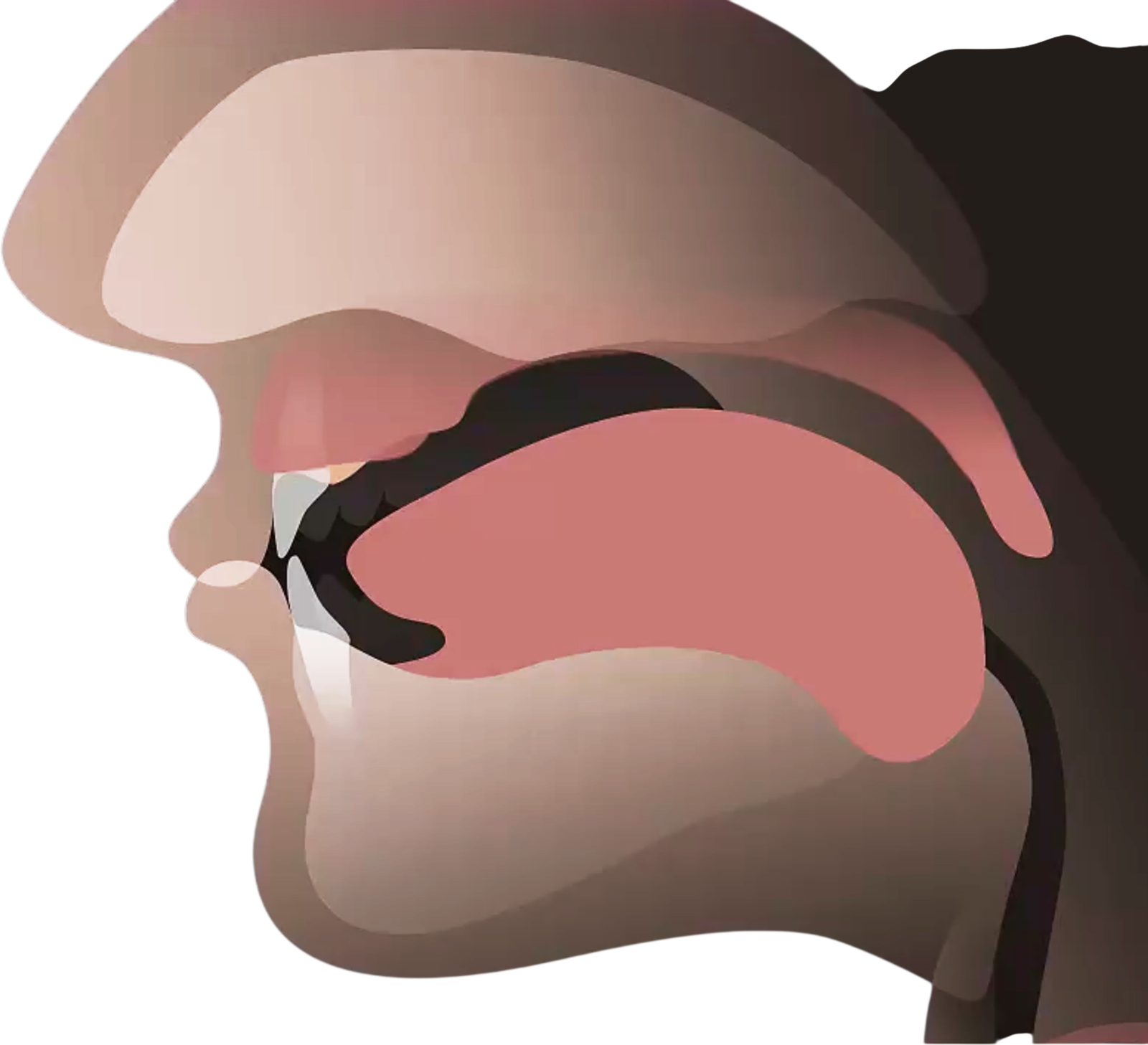
Interactive Visual 2D Sound Simulators are part of 2D Sound Motion Technology, the articulation-training method Prof. Alex created by applying his Ph.D. research in interactive teaching to American pronunciation. Instead of listening and repeating, students actively train their speech organs. Each simulator uses Interactive 2D mouth movement to train the speech organs (tongue, lips, jaw, teeth, airflow, and voice) to produce each American sound correctly. Every consonant has its own simulator: explore American consonants trained with 2D Sound Motion Technology.
Sample training: the American t sound (aspirated [t])
Practice
Record yourself speaking these words:
Tab · Tacos · Time · Tub · Hotel · Motel · Sit · Pit · Net
Instructions
Play the Interactive Visual 2D Sound Simulator for the American t sound below several times and follow it step by step. Move your tongue, jaw, and airflow together with the simulator and train your articulation.
Interactive Visual 2D Sound Simulator: American unvoiced sound [t]
Practice
Record yourself again speaking these words, but this time focus on the movement of your tongue. Go slow, and you will hear the difference. You’ve got this!
Tab · Tacos · Time · Tub · Hotel · Motel · Sit · Pit · Net
How Interactive Visual 2D Sound Simulators solve pronunciation and speaking problems
- Wrong articulationMost pronunciation problems start with the tongue, lips, jaw, or teeth in the wrong position. Each Interactive Visual 2D Sound Simulator trains the correct articulation of one American sound, so the student corrects the cause of the problem, not only the result.
- Airflow and voicingMany accent problems come from wrong airflow or voicing: sounds that are too weak, too strong, or voiced when they should be unvoiced. The simulators train airflow and voice together with articulation, step by step, for each American sound and more than 30 sound combinations.
- Clear speech and confidenceWhen each sound is trained correctly, words connect into clear American English speech. Listeners can understand you more easily, and speaking at work, in meetings, and on calls becomes more confident.
If you start hearing the aspiration, the short airstream after [t], with one simulator, you can only imagine how successful you can be in 1-on-1 Interactive American Accent Training with Prof. Alex, Ph.D. Accent Coach, where your whole American sound system is trained sound by sound.
In MyAccentWay, the Interactive Visual 2D Sound Simulators are only available in 1-on-1 accent coaching sessions with Prof. Alex.
Cognitive Accent Training questions
Why do advanced English speakers still struggle with pronunciation?
Grammar and vocabulary can be advanced while old speech habits stay automatic. Cognitive Accent Training, developed by Prof. Alex at MyAccentWay, makes those habits conscious so students can notice them and replace them with American patterns.
What is Cognitive Accent Training?
Cognitive Accent Training is a unique accent training strategy developed by Prof. Alex, Ph.D. Accent Coach, Doctor of Education, and professional linguist, to help students improve their American accent faster and with higher quality. Students learn how their speech system works and how their native-language habits influence American English pronunciation, rhythm, stress, intonation, and connected speech.
What is the difference between regular accent training and Cognitive Accent Training with Prof. Alex?
In regular accent training, the student mainly listens to a model and repeats it. In Cognitive Accent Training with Prof. Alex, the student becomes aware of their own speech pattern. Prof. Alex reproduces the student’s pattern next to the American pattern, the student notices the exact difference, analyzes what changes, and learns to control the new American pattern independently.
Who created Cognitive Accent Training?
Cognitive Accent Training was developed by Prof. Alex, Ph.D. Accent Coach, Doctor of Education, and professional linguist, the creator of MyAccentWay. He also created Interactive American Accent Training and 2D Sound Motion Technology with Interactive Visual 2D Sound Simulators.
What research is Cognitive Accent Training based on?
Cognitive Accent Training is rooted in the Noticing Hypothesis in second-language acquisition (Richard Schmidt, 1990), which states that learners cannot advance on a language feature until they consciously notice it, and in the negative practice technique in speech therapy (Knight Dunlap, 1932), where the problem speech pattern is produced on purpose so the habit becomes conscious and controllable.
Why do students go back to their old accent after regular accent training?
Students may go back to their old accent habits or give up on accent training because they may not understand the progress they are making or may not know how to control their new speech patterns independently. Cognitive Accent Training helps students understand what they are changing, why they are changing it, and how to keep the new American speech patterns stable.
Can I take Cognitive Accent Training online with Prof. Alex?
Yes. Cognitive Accent Training is part of online 1-on-1 American accent training with Prof. Alex. The first step is a 1 Hour Evaluation Session.
Start cognitive American accent training
If you want to understand and control your American English pronunciation more independently, you can work 1-on-1 with Prof. Alex. The first step is a 1 Hour Evaluation Session.
Related MyAccentWay resources

Prof. Alex and the MyAccentWay Method
How Prof. Alex, Ph.D. Accent Coach, created and leads the structured MyAccentWay American accent training system.

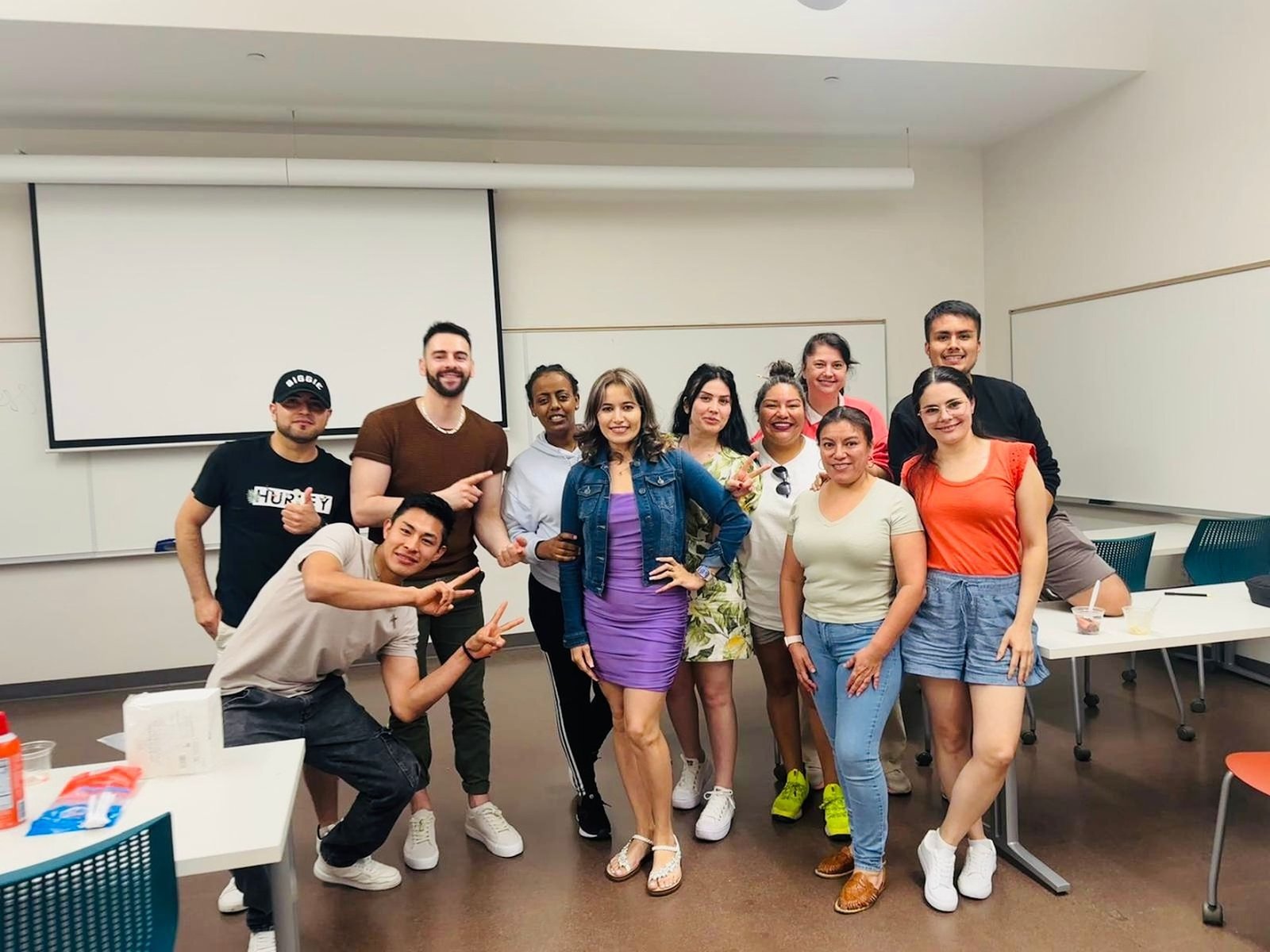
Interactive American Accent Training
Prof. Alex’s student-centered method, developed from his doctoral research in interactive foreign-language education.
2D Sound Motion Technology and Interactive Visual 2D Sound Simulators
Train each American sound and more than 30 sound combinations through Interactive 2D video simulation.

Accent Reduction Curriculum and English Articulation Training
How MyAccentWay trains American pronunciation, articulation, rhythm, intonation, and professional speech clarity.
Before-and-After American Accent Training Results
Listen to real before-and-after recordings from students who trained with Prof. Alex.
Student Reviews and Accent Training Results
Reviews that real students submitted themselves on Google and Thumbtack, plus student videos.



