Accent Training Benefits for Career Growth: 2026 Guide
(512) 265-9515Updated October 27, 2026 ◆ 11 min read
Accent training is defined as structured pronunciation coaching that improves speech intelligibility, rhythm, and intonation in American English for non-native speakers. The benefits of accent training for career growth are measurable and well-documented: 1 in 5 workers report feeling judged for their accent, which directly damages psychological safety and trust at work. Companies that invest in language training may also see benefits in customer satisfaction and turnover. Myaccentway’s approach goes beyond “repeat after me” methods. Prof. Alex, Ph.D., Accent Coach, uses speech-organ awareness, structured phonetic exercises, and 2D Sound Motion Technology to help students actively train their tongue, lips, jaw, teeth, and airflow while he corrects them live, as part of his interactive teaching model based on Prof. Alex’s doctoral research in interactive teaching methods.
Student testimonial

“I feel confident enough to speak American English!”
Interactive American Accent Training9monthsof hard work and dedication
Listen to the starting point0:00
Listen to the result0:00
Independent phonetic evaluation
Jane Timokhin, Ph.D. in Applied Linguistics
Independent evaluator Jane Timokhin, Ph.D. in Applied Linguistics, assessed Abishek’s before and after audio recordings and documented measurable improvements in American English pronunciation after nine months of training at MyAccentWay.
Interactive American Accent Training, informed by Prof. Alex’s doctoral research. Prof. Alex’s doctoral research identified four educational conditions for interactive foreign-language teaching, including placing students in an active position in the learning process and shifting the teacher’s role toward organizing and guiding student participation. At MyAccentWay, he applies these research-informed conditions through Interactive American Accent Training, integrating 2D Sound Motion Technology (active articulatory simulation), guided pronunciation practice, and personalized feedback. Students actively simulate, train, and refine American English speech sounds rather than relying exclusively on traditional listen-and-repeat instruction. Learn more about Prof. Alex’s doctoral research.

1. How does accent training improve communication clarity and reduce bias?
The science behind this is called processing fluency. When listeners find a speaker harder to understand, their brain works harder to decode the message. That extra cognitive effort triggers negative bias, causing listeners to rate non-native speakers as less competent and less employable, even when the content is identical.
A 192-listener study confirmed that improving speech intelligibility directly reduces this bias. The listener’s ease of understanding shapes their perception of the speaker’s credibility. Accent training targets exactly this: clearer vowel sounds, accurate consonant placement, and natural American rhythm that reduces the cognitive load on your listener.
-
Speech intelligibility: Training corrects specific sounds that cause misunderstanding, such as the American /r/, /th/, and vowel contrasts.
-
Phrasing and rhythm: American English uses stress-timed rhythm. Matching that pattern makes speech feel natural to listeners.
-
Intonation patterns: Rising and falling tones signal questions, statements, and emphasis. Mismatched intonation creates confusion even when words are correct.
Pro Tip: Record yourself speaking for 60 seconds in a work context, then listen back. Identify the one sound or pattern that most disrupts your clarity. That single focus point is where your training should start.
2. What measurable career benefits does accent training provide?
Language confidence produces concrete workplace outcomes. Employees who lack language confidence disengage faster and are frequently mistaken as professionally incompetent rather than linguistically challenged. That misread costs them promotions, client relationships, and visibility.
Organizations with language development programs report 23% greater profitability and 30% more efficient collaboration. Those numbers reflect what happens when professionals can communicate with full clarity and confidence. Clearer speech leads directly to stronger client relationships, more effective presentations, and greater influence in meetings.
| Career Outcome | Research Finding |
|---|---|
| Customer satisfaction | Up to 20% higher with language-confident teams |
| Employee turnover | Less common in organizations with language training |
| Team profitability | 23% greater with language-confident workforces |
| Collaboration efficiency | 30% improvement linked to language confidence |
| Psychological safety | Higher engagement and trust reported after training |
The impact of accent on career progression is not subtle. Professionals who speak with clarity get heard, get credited, and get promoted at higher rates than equally skilled colleagues who struggle to be understood.
3. Which speech performance skills does accent training develop?
Accent training is not about erasing your identity. It is about developing the performance behaviors that control how listeners perceive your authority and competence. Accent training addresses pacing, directness, pausing, and hedging language, all of which shape listener perception more than accent alone.
Hedging is a specific problem. Phrases like “I think maybe we could possibly consider…” signal uncertainty in American business culture. Professionals who rely on hedging are perceived as less credible, regardless of their actual expertise. Training shifts sentence structure toward clear, direct statements that project confidence.
The key performance skills accent training develops include:
-
Pacing: Speaking at a measured rate gives listeners time to process. Rushing compresses sounds and increases misunderstanding.
-
Sentence endings: Dropping energy at the end of a sentence signals completion and authority. Upward inflection on statements sounds uncertain.
-
Strategic pausing: Pauses replace filler words and give your ideas weight.
-
Reduced hedging: Direct statements build credibility. Structured feedback over 4–8 weeks proceduralize clearer speech habits so they become automatic.
Pro Tip: Before your next meeting, write out your three main points as direct statements with no hedging. Practice saying each one aloud until the directness feels natural, not aggressive.
4. How can non-native professionals sustain progress after accent training?
Progress in accent training follows the same rules as any motor skill. Consistency matters more than intensity. Deliberate, distributed practice in short sessions, such as 15–20 minutes three times a week, produces significantly better results than infrequent long sessions. Short sessions engage neural consolidation more effectively, which is how new speech habits become automatic.
Sustaining progress requires a structured approach:
-
Set measurable goals. Track specific sounds or patterns, not vague “speak better” targets. Myaccentway’s data-driven progress tracking gives you a clear baseline and measurable milestones.
-
Practice in real contexts. Apply new patterns in actual meetings, phone calls, and presentations. Controlled practice in isolation does not transfer unless you use it under real conditions.
-
Use feedback loops. Record yourself weekly. Compare recordings to your baseline. Without feedback, professionals risk reinforcing ineffective speech patterns rather than correcting them.
-
Integrate into daily life. Adapt your new American English patterns to daily interactions, from ordering coffee to networking events. Consistent use across all contexts accelerates habit formation.
-
Review and adjust. Every four weeks, assess which patterns have solidified and which still need attention. Redirect your practice time accordingly.
5. What strategies do organizations use to address accent bias?
Accent bias is a common barrier to promotion that decision-makers rarely recognize in themselves. Hiring managers and promotion committees tend to favor applicants who “sound like themselves.” That preference operates below conscious awareness, which makes it particularly hard to challenge without deliberate organizational effort.
“Auditing promotion processes and actively creating vocal diversity environments are effective organizational strategies for reducing accent-based discrimination. Without structured review, unconscious bias continues to shape career outcomes for accented professionals.”
Browne Jacobson, Employer Guide to Accent and Socioeconomic Inclusion
Organizations that address this effectively take three concrete steps:
-
Audit promotion processes. Review decisions for patterns that disadvantage accented speakers. Structured criteria reduce the influence of subjective “culture fit” judgments.
-
Train decision-makers. Awareness of accentism as a bias reduces its effect. Decision-makers who understand processing fluency make more equitable evaluations.
-
Create vocal diversity environments. Normalize varied accents in leadership, presentations, and client-facing roles. Representation shifts organizational norms over time.
Accent training complements these efforts. When professionals improve their speech clarity, they reduce the cognitive load on listeners and make it harder for bias to take hold. The combination of individual training and organizational awareness produces the strongest career outcomes.
Key Takeaways
Accent training produces measurable career benefits by improving speech intelligibility, reducing listener bias, and building the performance behaviors that signal professional authority.
| Point | Details |
|---|---|
| Bias starts with processing fluency | Clearer speech reduces the cognitive effort listeners expend, which directly lowers bias. |
| Language confidence drives retention | Organizations with language training see lower turnover and greater profitability. |
| Performance skills matter as much as sounds | Pacing, directness, and reduced hedging shape perceived credibility more than accent alone. |
| Consistency beats intensity | Short, frequent practice sessions of 15–20 minutes produce better habit formation than long, infrequent ones. |
| Organizations must act too | Auditing promotion processes and building vocal diversity are necessary complements to individual training. |
Why I believe accent training is the most underused career tool
After 20 years of working with non-native English-speaking professionals, I have seen the same pattern repeat. A highly skilled engineer, analyst, or manager gets passed over for a leadership role. Their technical work is excellent. Their ideas are sound. But in meetings, their message does not land with the same weight as their colleagues’. The problem is not their knowledge. It is the gap between what they know and what listeners perceive.
What I have found is that most professionals underestimate how much pacing, intonation, and directness shape that perception. They focus on vocabulary or grammar, which are rarely the real barrier. The real barrier is that their speech requires extra effort from the listener, and that effort quietly translates into doubt about competence.
Myaccentway’s approach works because it makes speech training active. The Interactive Visual 2D Sound Simulators are part of Prof. Alex’s interactive teaching model, based on his doctoral research in interactive teaching methods. They train students to move their tongue, lips, jaw, and teeth and control their airflow to form American sounds inside the mouth while Prof. Alex corrects them live, which removes the guesswork entirely. One student, a software engineer from India, told me that after eight weeks of structured training, his manager commented for the first time that his presentations felt “effortless to follow.” His ideas had not changed. His delivery had.
The professionals who commit to consistent, structured practice see real results. Doubt becomes clarity, and clarity becomes opportunity.
— Prof. Alex, Ph.D. Accent Coach
MyAccentWay · 2D Sound Motion Technology
American English Pronunciation: Consonant and Vowel Sounds with 2D Sound Motion Technology
Learning American English pronunciation involves more than listening and repeating. Active articulatory training helps students practice the coordinated movements of the tongue, lips, jaw, airflow, and voicing needed to produce American English sounds. 2D Sound Motion Technology and Interactive Visual 2D Sound Simulators, developed in 2020 by Prof. Alex, Ph.D. Accent Coach, Doctor of Education, and professional linguist, as part of his interactive teaching model that applies principles from his doctoral research in interactive teaching methods, train your tongue, lips, jaw, teeth, airflow, and voice step by step. They train each American sound.
What 2D Sound Motion Technology is
2D Sound Motion Technology is an advanced accent reduction and articulation training tool by Prof. Alex. It trains each American sound through Interactive Visual 2D Sound Simulators.
What Interactive Visual 2D Sound Simulators do
Interactive Visual 2D Sound Simulators are part of 2D Sound Motion Technology, the articulation-training method Prof. Alex created in 2020. It applies one of the four conditions of interactive teaching identified in his doctoral research: placing students in an active position in the learning process. Instead of listening and repeating, students actively train their speech organs. With each simulator, students control articulation movement sequences and physically train the speech organs (tongue, lips, jaw, airflow, and voicing) with synchronized voice-over instructions to produce each American sound correctly. Every consonant has its own simulator: explore American consonants trained with 2D Sound Motion Technology.
Sample training: the American t sound (aspirated [t])
Practice
Record yourself speaking these words:
Tab · Tacos · Time · Tub · Hotel · Motel · Sit · Pit · Net
Instructions
Play the Interactive Visual 2D Sound Simulator for the American t sound below several times and follow it step by step. Control the simulator’s articulation movement sequence and practice the corresponding tongue and jaw movements, coordinating airflow and voicing as you pronounce [t].
Interactive Visual 2D Sound Simulator: American unvoiced sound [t]
Practice
Record yourself again speaking these words, but this time focus on the movement of your tongue. Go slow, and you will hear the difference. You’ve got this!
Tab · Tacos · Time · Tub · Hotel · Motel · Sit · Pit · Net
How Interactive Visual 2D Sound Simulators solve pronunciation and speaking problems
- Wrong articulationMost pronunciation problems start with the tongue, lips, jaw, or teeth in the wrong position. Each Interactive Visual 2D Sound Simulator trains the correct articulation of one American sound, so the student corrects the cause of the problem, not only the result.
- Airflow and voicingMany accent problems come from wrong airflow or voicing: sounds that are too weak, too strong, or voiced when they should be unvoiced. The simulators train airflow and voice together with articulation, step by step, for each American sound.
- Clear speech and confidenceWhen each sound is trained correctly, words connect into clear American English speech. Listeners can understand you more easily, and speaking at work, in meetings, and on calls becomes more confident.

If you start hearing the aspiration, the short airstream after [t], with one simulator, you can only imagine how successful you can be in 1-on-1 Interactive American Accent Training with Prof. Alex, Ph.D. Accent Coach, where your whole American sound system is trained sound by sound.
The simulators are integrated into Prof. Alex’s 1-on-1 Interactive American Accent Training and are also available through the InPronunci learning platform.
Myaccentway’s structured program for professional speech clarity
Myaccentway offers 1-on-1 online American accent training led by Prof. Alex, Ph.D., Accent Coach, with over 20 years of linguistics research and teaching experience. The program is built on speech-organ awareness, structured phonetic practice, and the exclusive Interactive Visual 2D Sound Simulators that make American sounds physically clear and reproducible.

Every student starts with a personalized speech assessment that identifies specific patterns affecting their clarity and professional impact. From there, the curriculum covers American consonants, vowels, rhythm, and intonation in a structured sequence. The scientific approach to mastering American English is available entirely online, making it accessible for professionals across the U.S. and internationally. If you are ready to see what structured training produces, your first step is a personalized accent assessment.
More than articulation: Prof. Alex doesn’t teach only the articulation of sounds. Interactive 1-on-1 training with 2D Sound Motion Technology helps students become confident, fluent English speakers through a step-by-step system. Training may begin with how each American sound is made. Then it moves into sound combinations, sound contractions, phonetic exercises, practice sentences, and paragraphs in real rapid speech, so students start speaking English fluently and comfortably.
Job Interview Accent Coaching for Foreign-Born Professionals in the United States
Foreign-born professionals in the United States often know their field and speak advanced English. Yet American listeners may still struggle with their sounds, stress, and rhythm. MyAccentWay offers private online interview accent coaching through Interactive American Accent Training with Prof. Alex.
Training is online and 1-on-1 for learners anywhere in the U.S. It starts with a 1 Hour Evaluation Session.
FAQ
What are the main benefits of accent training for career growth?
Accent training improves speech intelligibility, reduces listener bias, and builds performance skills like pacing and directness. These changes lead to higher visibility, stronger professional relationships, and greater promotion opportunities.
Why does accent affect career growth?
Accents that require extra cognitive effort from listeners trigger unconscious bias, causing speakers to be rated as less competent and less employable. A 192-listener study confirmed that improving intelligibility directly reduces this effect.
How long does it take to see results from accent training?
Focused feedback and structured practice over 4–8 weeks produce measurable improvements in speech clarity and directness. Consistent short sessions of 15–20 minutes three times a week accelerate habit formation faster than infrequent longer sessions.
Is accent training only about pronunciation?
No. Accent training for professionals also develops pacing, strategic pausing, sentence energy, and reduced hedging. These performance behaviors shape how listeners perceive your authority and credibility, often more than individual sounds do.
How does Myaccentway differ from standard accent training?
Myaccentway uses 2D Sound Motion Technology and the Interactive Visual 2D Sound Simulators to train students in the movement of the tongue, lips, jaw, teeth, and airflow, while Prof. Alex corrects them live. The simulators are part of Prof. Alex’s interactive teaching model, based on his doctoral research in interactive teaching methods. His 1-on-1 coaching combines personalized speech assessment with structured phonetic practice grounded in 20+ years of linguistics research.
Recommended
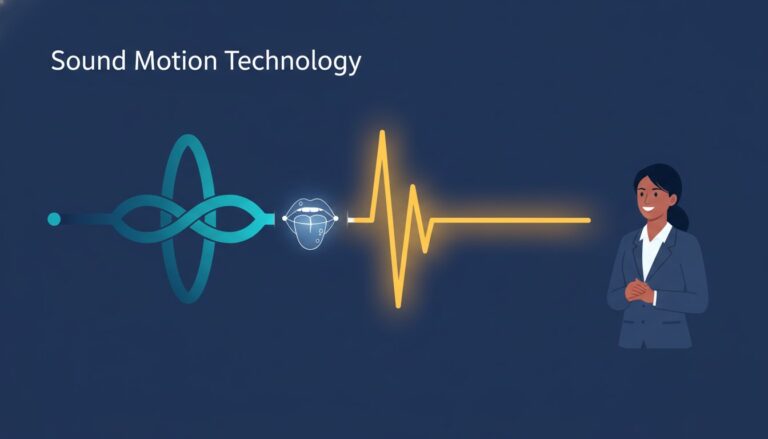
Accent Training for Engineers: The 2026 Guide to Professional Clarity
What if the only barrier to your next promotion isn't your technical skill, but the clarity of your communication? You've likely spent over 10,000...

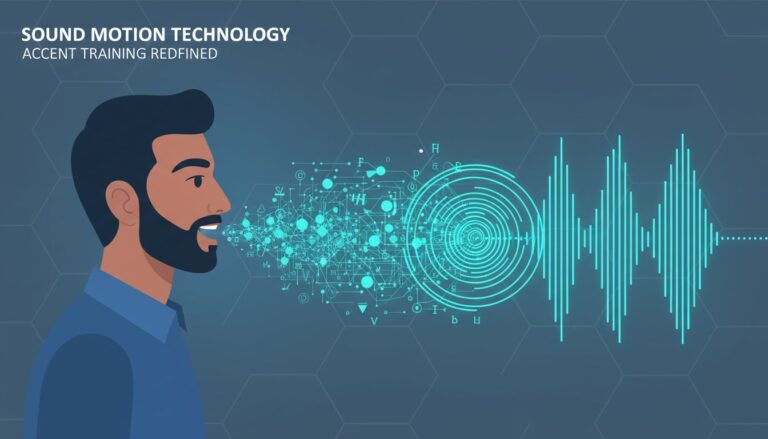
Accent Training for Tech Professionals: Master the American Accent for Career Success
Last Tuesday, a Senior Developer at a top-tier San Francisco firm stood before his stakeholders, only to be met with blank stares and a request to...
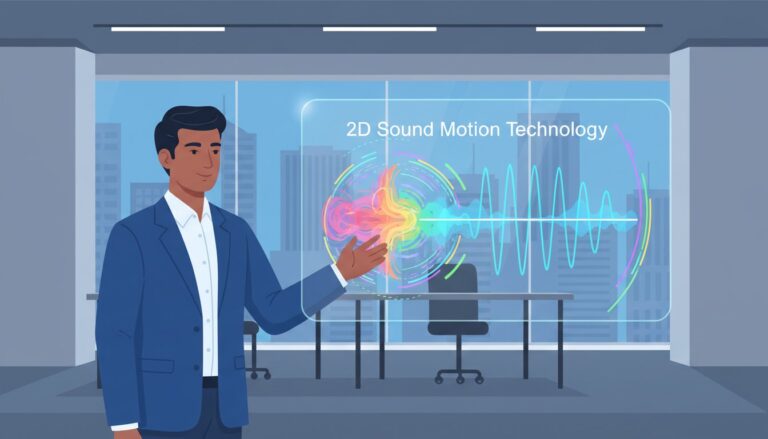
Accent Reduction Exercises for Adults: The Professional’s Guide to American Speech Clarity
Imagine presenting a breakthrough strategy in a high-stakes boardroom in Austin, Texas, only to have your audience ask you to repeat yourself for the...
The problem is not always grammar or vocabulary.
If people understand your words but still miss your message, the deeper issue may be speech clarity, rhythm, intonation, and American pronunciation habits. MyAccentWay helps students retrain the sound system with professional 1-on-1 guidance, so English can feel clearer, freer, and more natural in real communication.
Two training methods that make speech change active.
MyAccentWay is not passive listen-and-repeat coaching. Prof. Alex, Ph.D. Accent Coach, Doctor of Education, and professional linguist, creates a learning situation where students become active learners and active participants in changing their own speech patterns.
Interactive training
Students do not just receive pronunciation instructions passively. They listen, think, compare, adjust, and understand their own speech patterns while Prof. Alex guides the correction process.
Cognitive accent training
Students learn to notice and correct the speech patterns that affect American pronunciation, then implement new American speech patterns into their code-switching process for more natural, long-lasting change.
Build speech habits people can hear in real conversations.
A stronger American accent is not built by memorizing topics or chasing quick pronunciation tips. It comes from structured training, professional feedback, active correction, and repeated application until clearer speech becomes easier to keep.
Continue learning how MyAccentWay connects American sound articulation, Interactive Visual 2D Sound Simulators, accent reduction, student proof, and 1-on-1 training.
- Prof. Alex and the MyAccentWay MethodLearn how Prof. Alex, Ph.D. Accent Coach, Doctor of Education, and professional linguist, created and leads the structured MyAccentWay American accent training system.
- Accent Reduction Curriculum and English Articulation TrainingSee how MyAccentWay trains accent reduction, accent modification, American pronunciation, English articulation, rhythm, and professional speech clarity.
- 2D Sound Motion Technology for American Accent TrainingUnderstand Prof. Alex’s Interactive Visual 2D Sound Simulators for American sound articulation.
- Before-and-After American Accent Training ResultsListen to real before-and-after student proof and accent training outcomes.
- Student Reviews and Accent Training ResultsRead student reviews, testimonials, and trust signals from MyAccentWay learners.
- Book a 1-on-1 American 1 Hour Evaluation SessionStart with a 1-hour interactive American accent training session with Prof. Alex.